
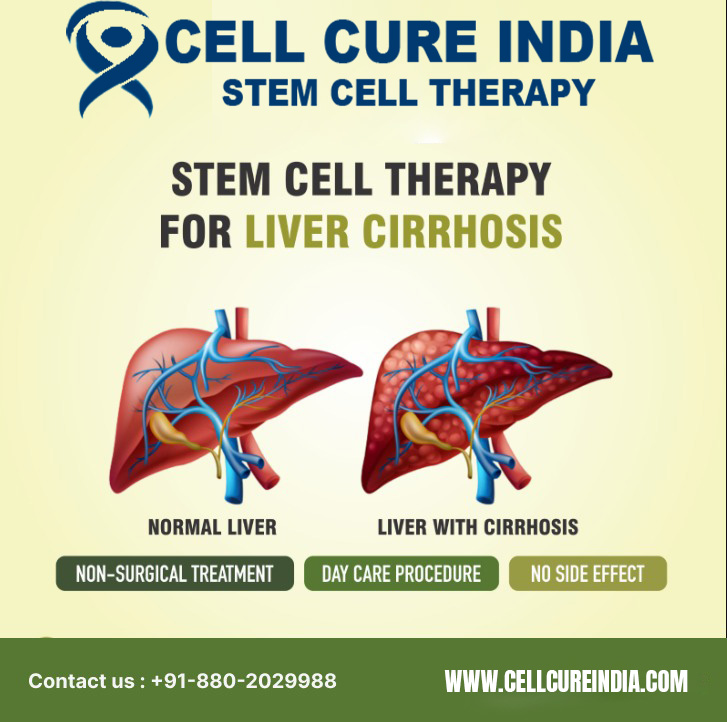
The liver is a critical organ with many important functions, including processing nutrients from food, producing amino acids, producing proteins needed for blood clotting in red blood cells (RBCs), transporting cholesterol around the body, regulating blood sugar levels, detoxifying harmful substances, and processing medications to make them active ingredients. When the liver sustains extreme damage or loses the ability to fully heal itself, it can be deadly. Historically, a liver transplant has been the only treatment option available for this situation, which can be dangerous and involve complications due to organ rejection.
Liver disease is the fifth leading cause of death globally and accounts for over 100 different types of liver disease. Fatty liver disease is one of the most common liver diseases; unrecognized and untreated, it could lead to cirrhosis, liver cancer, or complete failure of the liver. Alcohol abuse is one of the most misleading causes of liver disease, but not the only cause. Alcohol abuse can lead someone to liver disease through inflammation of the liver, or alcoholic hepatitis. It is important to note that even individuals who do not consume alcohol can develop fatty liver disease from other factors. How the liver responds to alcohol varies by person, but in these cases, if individuals stop drinking, many could resolve and improve liver damage.
Stem cell therapy may be a good alternative for liver disease and could offer a pathway to regenerating the damaged liver tissue, reducing the need for transplants and restoring normal function for those who experience liver disease. Here in Delhi, India, we have advanced hospitals such as Cell Cure India and also have evidence-based stem cell treatments for liver disease.
Symptoms of Liver Disease
- Fatigue—ongoing exhaustion and low energy levels
- Frequent infections due to weakened immunity
- Confusion or disorientation due to the level of toxins/stuff our blood has collected
- Red palms (palmar erythema)
- Jaundice of the skin and eyes (jaundice)
- Itching all over
- Swelling in legs and ankles due to fluid retention (edema or swollen belly)
- Unintentional weight loss/muscle wasting
- Spider angiomas—small red dots with branches visible on your skin
- Easy bruising and nosebleeds (clotting function)
Common Diseases Related to Liver Failure
- Hepatitis – liver inflammation due to a virus or autoimmune disorder,
- Cirrhosis—permanent scarring of the liver tissue
- Liver Failure – the liver is no longer functioning normally
- Liver Cancer—malignant growth of liver cells
- Ascites – buildup of fluid in the abdominal cavity
- Gallstones—Hardened deposits that interfere with bile and liver function.
- Hemochromatosis—large amounts of iron that are damaging the liver.
- Primary biliary cirrhosis—chronic inflammation and scarring of the bile duct.
Types of Liver Disease
Liver disease has an extensive list of causes, such as infections, genetic disorders, obesity, and alcohol consumption. An untreated condition may cause scarring of the liver (cirrhosis), lack of function, and can eventually lead to liver failure. Early diagnosis and treatment are fundamental to avoiding chronic issues.
Regarding infections, liver disease usually has a cause that is a virus. Hepatitis A typically moves through food or water and goes away on its own following little to no major damage in 6 months. Hepatitis B is passed through unprotected sexual contact or injection drug users sharing needles and may be chronic, causing damage and putting you at risk for hepatocellular carcinoma (liver cancer). Hepatitis C causes liver disease, and transmission usually happens through blood exchanges and may take many years to surface with no initial signs or symptoms of damage.
Liver disease can also arise when the immune system mistakenly attacks the liver, leading to autoimmune liver disease. Autoimmune hepatitis causes inflammation and is usually seen in younger women. Primary biliary cholangitis causes scarring in the bile ducts. Primary sclerosing cholangitis is much more common in males and similarly affects the bile ducts but is associated with an even higher risk of liver cancer.
Cancer and tumor types include hepatocellular carcinoma (primary liver cancer), bile duct cancer, and liver cell adenomas (often tied to birth control pills).
Genetic disorder categories include hereditary hemochromatosis (iron overload), Wilson’s disease (copper overload), alpha-1 antitrypsin deficiency, and others.
Also considered risk factors include alcohol use, drug toxicity, cirrhosis, and non-alcoholic fatty liver disease.
Causes of Liver Disease
Liver disease can have a variety of sources. The main source is the abuse of alcohol. Alcoholics generally create inflammation in their liver; however, they can also develop scarring of the liver (cirrhosis), which can go on to liver failure. Hepatitis B and Hepatitis C are both viral infections that cause liver inflammation, leading to scarring (if left untreated) and liver failure. Unfortunately, chronic infections with either virus increase the risk of cirrhosis and liver cancer. An increasing cause of liver disease is Non-Alcoholic Fatty Liver Disease (NAFLD), which has been linked to the obesity epidemic in North America, diabetes, and unhealthy lifestyle choices. NAFLD is characterized by fat in the liver. Fat accumulation can also develop into non-alcoholic steatohepatitis (NASH), fibrosis, and even permanent liver damage.
Diagnosis of Liver Disease
To diagnose liver disease, doctors will look at medical history and symptoms and may order not only blood tests but also imaging and/or a liver biopsy. Medical tests that a doctor may use include liver function tests (related to prothrombin time/INR as well as PT in order to measure key clotting factors), albumin/total protein tests, and others, each of which, when low, may signal liver dysfunction. The bilirubin test alone may indicate jaundice associated with the breakdown of hemoglobin. The results of enzyme tests may reveal levels of liver inflammation/injury, including AST, ALT, and LDH, which may rise with cell damage if the liver is damaged and/or inflamed. GGT elevations may be related to alcohol use disorder and/or disease of the bile duct. If ALP levels are elevated, they may indicate obstruction to the bile duct. Together these tests are incredibly helpful in the diagnosis of liver disease.
Treatment of Liver Disease
Recent studies have shown that MSCs can repair myelin in the nervous system, enhancing symptoms and extending lives. Steroids and other disease-modifying agents cannot cover all the symptoms and are used to treat only some symptoms. Again, the concern will be that any drugs used have critical side effects—this is of no concern when treating with MSCs.
FAQs
1. What is liver disease, and why is it serious?
Liver disease encompasses over 100 different diseases that can affect the liver’s ability to function. Without intervention, liver disease can develop into life-threatening cirrhosis, liver cancer, or complete liver failure.
2. How does stem cell therapy help in liver disease?
Stem cells have the potential to regenerate damaged liver tissue, restore liver function, reduce fibrosis (scarring), and improve the patient’s chances of avoiding transplantation by enhancing the liver’s normal ability to heal itself.
3. Who is a candidate for stem cell treatment for liver disease?
Patients with hepatitis, cirrhosis, fatty liver disease, congenital (genetic) liver diseases, and alcohol-related liver disease may qualify for stem cell therapy after appropriate medical consultation.
4. Why Delhi, India, for liver stem cell therapy?
Delhi has high-tech hospitals, evidence-based stem cell protocols, experienced physicians, and economical therapy costs. Additionally, patients receive quality liver medical care with advanced liver capabilities.