
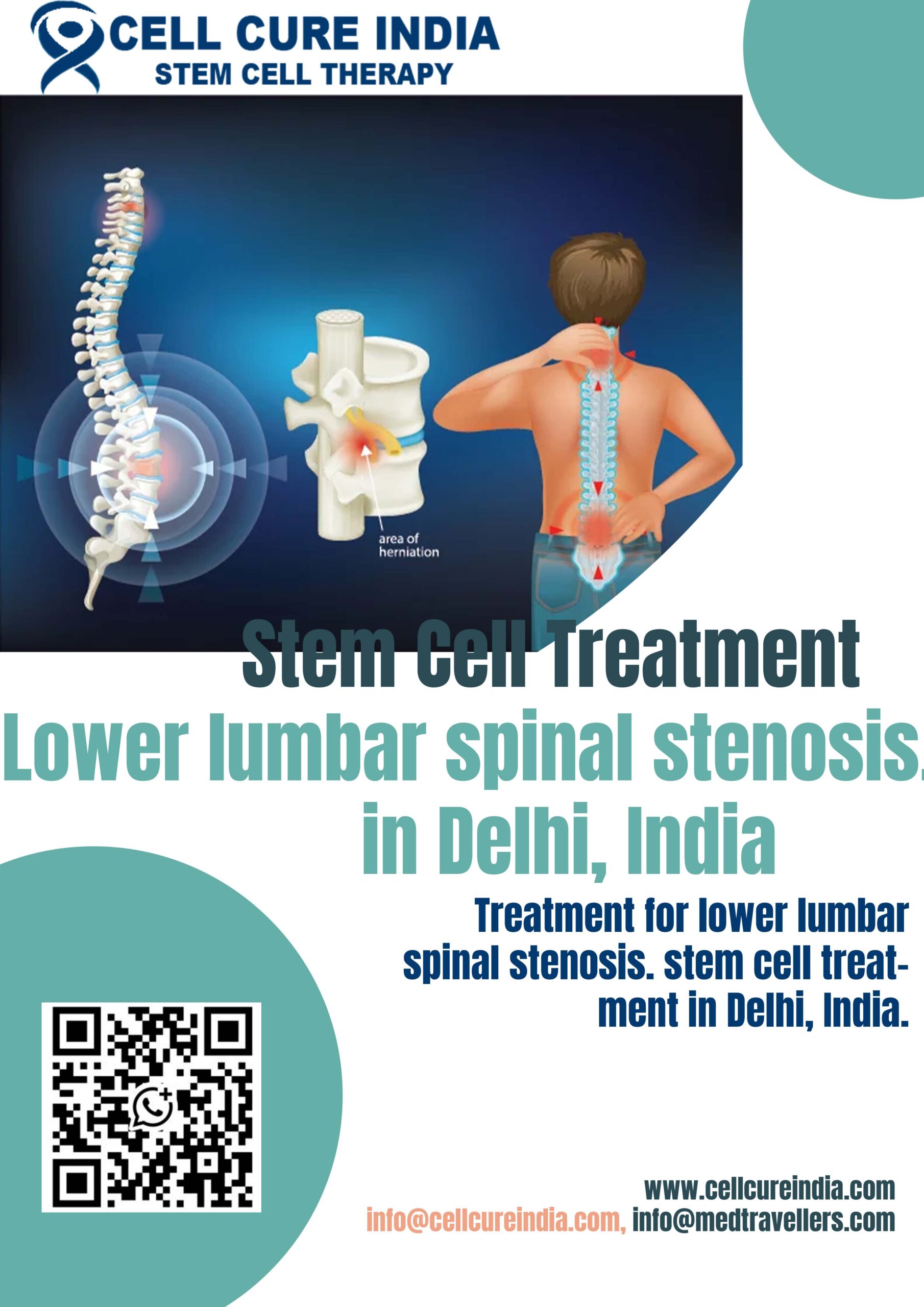
Stem Cell Treatment for Spinal Cord in Delhi, India
A spinal cord injury (SCI) is a type of injury sustained to the spinal cord, which inhibits the transmission of impulses between the brain and body. An SCI can be quite severe, as there is the potential for partial or full loss of sensations and ability to move below the location of the injury. The higher the injury location is, particularly in the neck area, the greater the loss of function and paralysis are. Unlike simple back injuries involving ruptured discs or pinched nerves, SCIs damage the spinal cord itself, usually following trauma, compression, or degeneration often associated with disease or aging.
There are two categories of spinal cord injuries: traumatic and non-traumatic. Traumatic SCIs come from an outside source like a crash, sporting activities, a fall, or violence, while non-traumatic SCIs can result from tumors, inflammation of the spinal cord, infection, or degenerative disease. More often than not, an SCI does not sever the spinal cord but creates a bruising or tearing of the cord itself, which results in various levels of debilitating effects.
Stem cell therapy in India is a relatively recent and promising treatment for spinal cord injury. Specifically, mesenchymal stem cells help to repair damaged nerve tissues, reduce inflammation, and improve overall quality of life. When combined with comprehensive rehabilitation, stem cell therapy offers hope and promise for a better overall quality of life.
Causes of Spinal Cord Injury
Injuries to the spinal cord may be the consequence of injury to the vertebrae, ligaments, or nerve roots of the spinal column or to the spinal cord itself. Traumatic spinal cord injury may result from a sudden, traumatic blow to the spine that fractures, dislocates, crushes, or compresses one or more of the vertebrae. It may also be the result of a bullet or stab wound that penetrates and cuts the spinal cord.
Additional injury usually results over days or weeks because of bleeding, swelling, inflammation, and fluid accumulation in and around the spinal cord. Non-traumatic spinal cord injury may be caused by arthritis, cancer, inflammation, infections, or disc degeneration of the spine.
Symptoms of Spinal Cord Injuries
Any spinal cord injury may produce one or more of the following signs or symptoms, which would require stem cell treatment for spinal cord injury:
- Loss of bowel or bladder function
- Altered sexual function, sexual sensitivity, and fertility
- Loss of feeling, including the ability to feel heat, cold, and touch.
- Unusual reflex activity or spasms
- Loss of movement
- Difficulty breathing, coughing, or clearing secretions from your lungs
- Pain or burning caused by damage to the nerve fibers in your spinal cord
Signs and symptoms of traumatic spinal cord injury following an accident:
- Loss of bladder or bowel control
- Difficulty walking and maintaining balance
- Difficulty breathing following injury
- Neck or back positioned in an abnormal position/twisted
- Weakness or paralysis in any part of the body
- Numbness, tingling, or loss of feeling in the hands, fingers, feet, or toes
- Severe back pain or pressure in the neck, head, or back
Diagnosis of Spinal Cord Injury
Spinal cord injury should have spinal cord stem cell treatment as soon as possible to treat potential life-threatening complications and minimize the risk of future issues. Tests include:
Neurological exams
CT scan or MRI of the spine
X-ray lights of the spine
Treatment of Spinal Cord Injury
Recent research has shown that MSCs can help repair and rejuvenate nerve cells, alleviate symptoms, and extend life. On the other hand, steroids and disease-modifying drugs can only target certain symptoms since they only target one specific symptom at a time and, in effect, may meet some symptoms but cannot address them all. The issue of serious side effects of drugs is also an issue; with MSC treatment there is no side effect issue.
FAQs
What does SCI mean?
A spinal cord injury refers to damage to your spinal cord that interrupts communication between your brain and body and often leads to loss of movement, sensation, or other body functions below the area of injury.
How does stem cell therapy help spinal cord injuries?
Stem cell therapy with mesenchymal stem cells can aid in the repair of damaged nerve tissues and reduce inflammation and is best utilized when incorporated into a rehabilitation strategy to restore movement and improve quality of life.
Who is a candidate for spinal cord stem cell treatment in Delhi?
Spinal cord stem cell treatment as a method of regenerative medicine may be available for patients with partial or complete spinal cord injuries, either traumatic or non-traumatic, whose injuries haven’t progressed well with conventional treatment.
Is stem cell therapy safe in spinal cord injury patients?
Research has indicated that the treatment with stem cells is safe, and patients did not have any major side effects, which is often not the case with more traditional drug therapies; in every trial, stem cell therapy has had positive outcomes for patients.